1. Talk and set goals
The team starts with the resident, or the caller if the resident is not available. Goals, worries and deadlines shape the whole plan.
Iola, WI · Waupaca County
Need hoarder cleaning services in Iola? The cleanup team opens pathways, sets aside papers and valuables, removes spoiled food and pest damage, and disinfects the space. Call (877) 812-4220 to get started.
If anyone is in danger, call 911 first. For a suicide crisis, call or text 988.
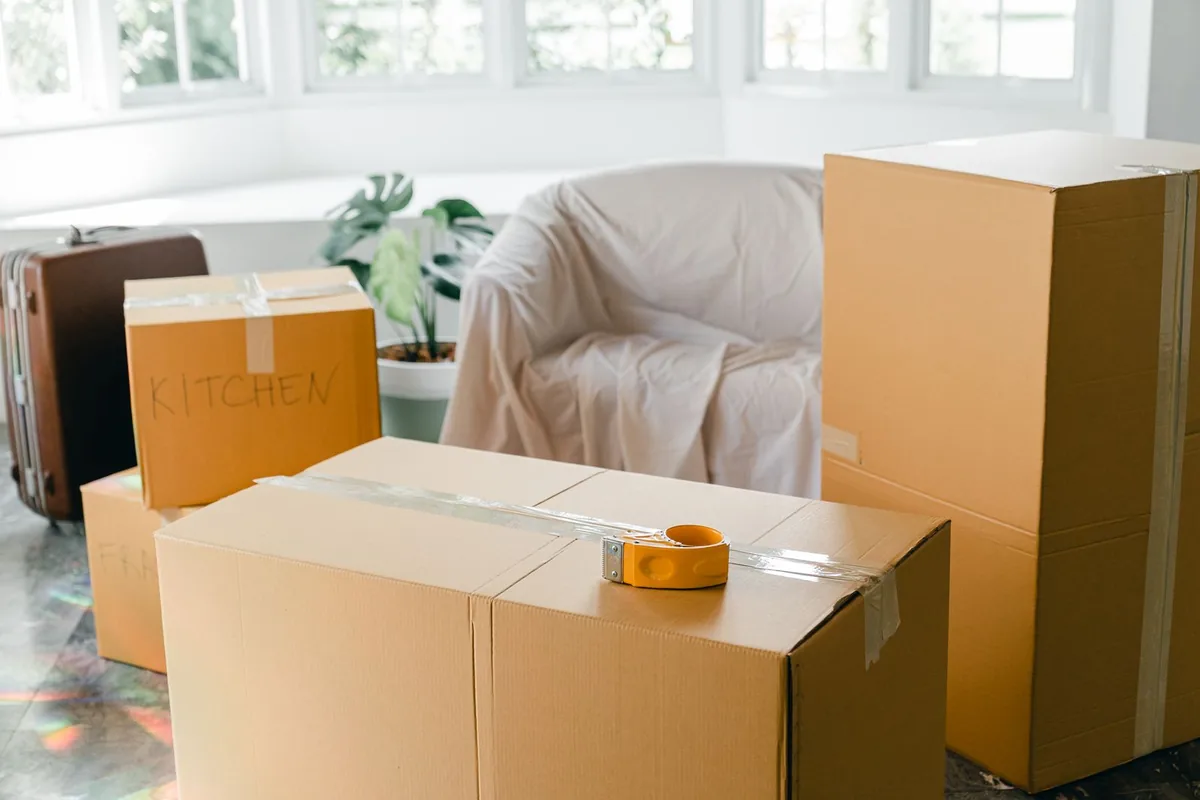
Hoarding cleanup services bring in people and equipment to do what is hard to do alone: protective gear, safe lifting, correct disposal and thorough cleaning. The result is a home that is safer and easier to use.
For hoarding help in Iola, you get a conversation first and a cleanup second. The team learns what the resident wants to keep before any item is moved from a home in Waupaca County. Call Iola Biohazard Cleanup Help to begin.
About 48% of households in Iola rent, so many hoarding cleanups here are driven by a lease, an inspection or a landlord deadline. The median home in Iola was built in 1977. The team keeps the age of the house in mind when checking floors, stairs and heating equipment.
A typical hoarding cleanup job includes:
The team starts with the resident, or the caller if the resident is not available. Goals, worries and deadlines shape the whole plan.
Where possible, the crew meets the resident before work starts. A calm introduction sets the tone for the visit.
Crews sort, bag and haul in a set order. The pace follows what the resident can handle.
A final look confirms that exits are open and key rooms are usable. Notes about repairs or pest control are passed to the owner.
Hoarding cleanup in Iola, WI typically costs $500 to $25,000, depending on the size of the affected area and the materials involved.
Hazards found along the way, such as droppings, mold or sharp objects, call for added protection and careful disposal. These can add to the price of hoarding cleanup services.
| Type of job | Typical range |
|---|---|
| Level 1, light | $500 - $1,500 |
| Level 3 | $2,000 - $5,000 |
| Most homes, per square foot | $1 - $2 per square foot |
| Level 4 | $5,000 - $15,000 |
Estimates only, not a quote. Sources: Dropcurb, Lifecycle Transitions. Price drivers include level of accumulation, home size, whether exits and rooms are blocked, pests or animal waste. Call (877) 812-4220 to talk through the job.
Yes. A regular cleaning assumes surfaces are reachable and the items stay. Hoarding cleanup includes sorting, hauling, hazard checks, protective gear and disposal, and then a deeper clean of kitchens, bathrooms and floors.
Start with safety, then sort, remove and clean in that order. Exits and fire hazards come first, then spoiled food and unsafe items, then deep cleaning of kitchens and bathrooms. The resident decides what stays, and a cleanup team can handle the heavy parts.
A lightly crowded room with a willing resident can be a do-it-yourself project with gloves, a mask and a helper. Beyond that, hidden hazards, heavy items and the emotional strain make a team the safer choice.
Hoarding disorder is a recognized mental health condition in its own right. Only a doctor or mental health professional can say what applies to a particular person. A cleanup team does not diagnose, and it treats every resident with respect.
Yes. A cleanup team can sort, clear and clean a home once the resident has moved, entered care or died. The family can set rules for photos, papers and keepsakes, and the work moves at the family's pace.
A crew with enough people and a clear plan, working room by room. Going fast without the resident's agreement often backfires, though, and the home can fill again. Clearing exits and hazards first is the quickest way to make a real safety difference.
Tell the team about any deadline so the plan can be built around it.
Call (877) 812-4220